
High Salt Intake Linked to Increased Diabetes Risk
-
 By: Zenix
- 2026-09-06 12:59:40
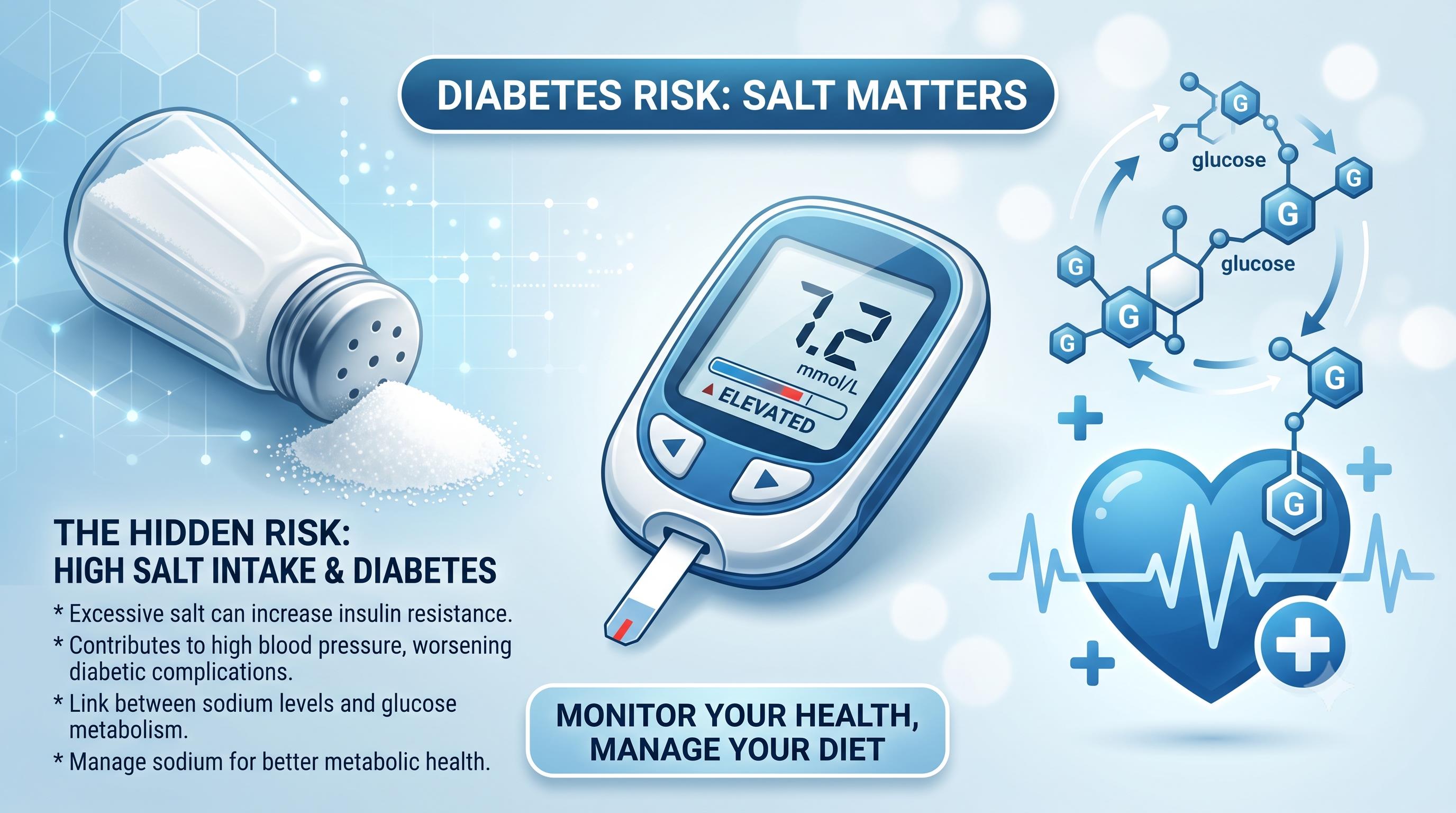
Consuming excess sodium—commonly ingested through table salt (sodium chloride)—may significantly raise the risk of developing type 2 diabetes as well as latent autoimmune diabetes in adults (LADA). This link was highlighted in a major study led by Dr. Bahareh Rasouli from the Institute of Environmental Medicine at the Karolinska Institutet in Stockholm, Sweden, in collaboration with research teams across Sweden and Finland. The findings were presented at the annual meeting of the European Association for the Study of Diabetes in Lisbon, Portugal. Understanding the Diabetes Landscape According to data from the Centers for Disease Control and Prevention (CDC), diabetes affects tens of millions of adults worldwide. Type 2 Diabetes: Accounts for up to 95% of all diagnosed cases. It is characterized by the body’s inability to properly regulate blood sugar levels and is most commonly diagnosed in middle-aged and older adults. Latent Autoimmune Diabetes in Adults (LADA): A slower-progressing form of autoimmune diabetes that also manifests later in adulthood. Because of its delayed onset and initial lack of need for insulin therapy, LADA is frequently misdiagnosed as standard type 2 diabetes. Key Takeaway for Health & Nutrition The researchers' findings emphasize that sodium regulation isn't just about managing blood pressure—it also plays a key role in metabolic health. Reducing daily salt intake could serve as a valuable lifestyle strategy to mitigate the risk of developing late-onset diabetes variants.