
Understanding Chronic Inflammation: The Hidden Trigger Behind Modern Health Conditions
-
 By: Zenix
- 2026-09-06 13:12:42
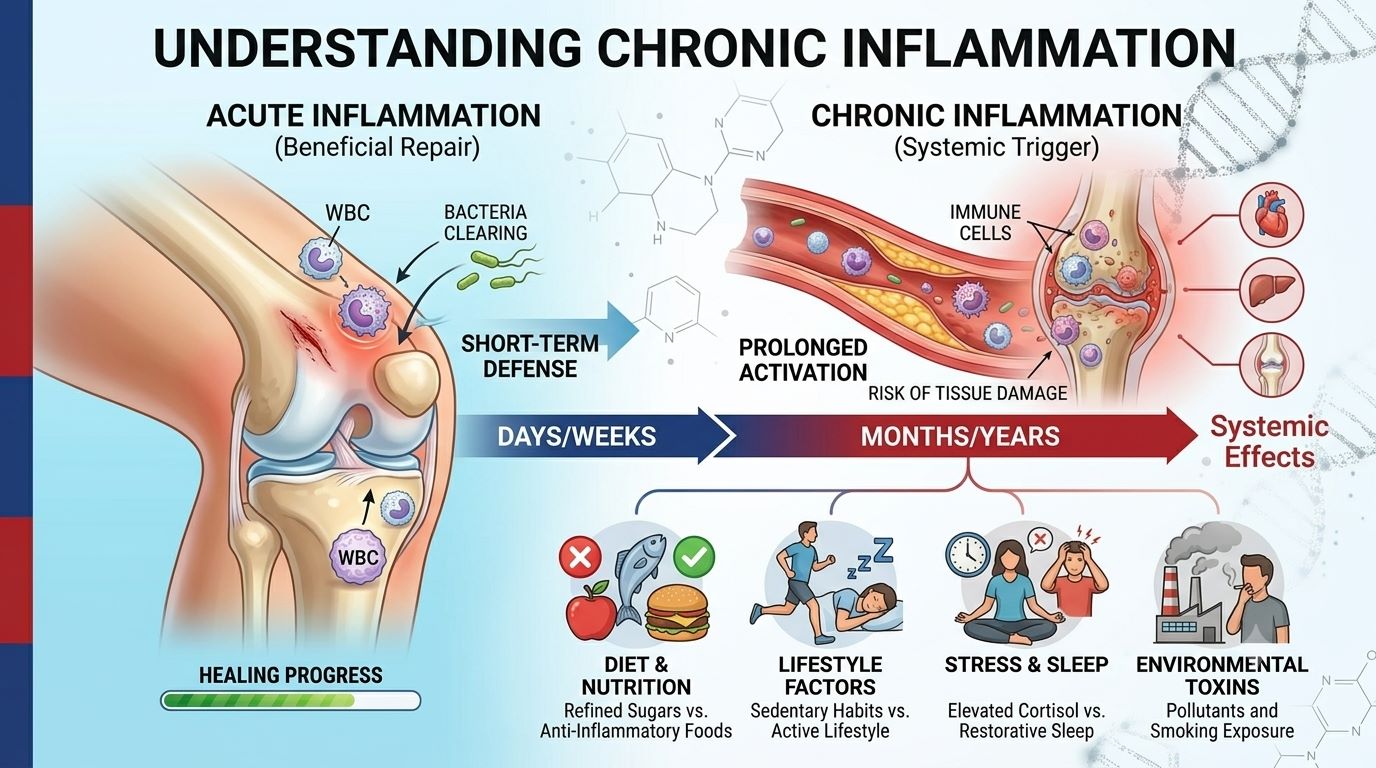
Chronic inflammation is increasingly recognized by medical researchers as a key driver behind many long-term health conditions, including cardiovascular disease, metabolic disorders, and joint degeneration. Unlike acute inflammation—which is your body’s immediate, beneficial response to an injury or infection—chronic inflammation is a slow, systemic process that can quietly affect tissues over months or years. Acute vs. Chronic Inflammation: What's the Difference? To manage health effectively, it is essential to understand how these two biological responses differ: Acute Inflammation: A short-term defense mechanism. When you sustain a cut or contract an infection, your immune system dispatches white blood cells to protect and heal the area. Symptoms like redness, swelling, and localized heat are signs that your body is actively repairing itself. Chronic Inflammation: A prolonged immune response. When the immune system remains mildly activated for extended periods, white blood cells may inadvertently target healthy tissues and organs, gradually impairing their normal function. Key Factors That Drive Systemic Inflammation Several lifestyle and environmental factors contribute to persistent, low-grade inflammation: Unbalanced Diet: High intake of refined sugars, trans fats, and heavily processed foods can trigger inflammatory pathways in the metabolic system. Persistent Stress: Prolonged psychological stress leads to elevated cortisol levels, which can disrupt normal immune regulation over time. Environmental Toxins & Lifestyle: Habitual smoking, excessive alcohol consumption, and exposure to airborne pollutants place continuous oxidative stress on body cells.